
Biodynamic Farming: Beyond Organic Agriculture
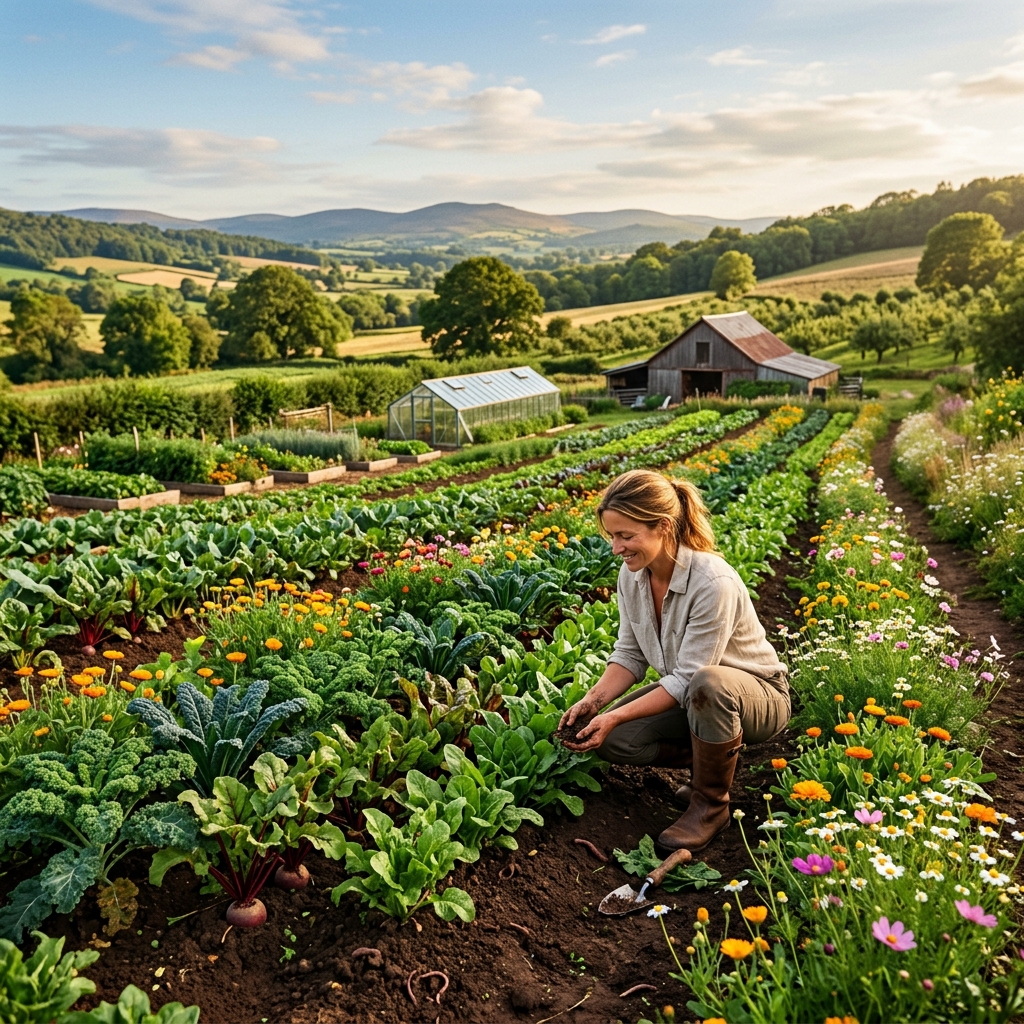
Discover the profound impact of biodynamic farming. Learn how advanced solutions and strategic implementations are actively transforming our world.
Are you worried about the escalating environmental crises dominating the news cycle? Currently, our global reliance on outdated, destructive industrial practices is pushing planetary boundaries to their absolute breaking point. This severe degradation threatens global stability, economic security, and public health. Fortunately, a massive paradigm shift is already underway. By aggressively adopting biodynamic farming, we can actively reverse this damage. In this comprehensive guide, we will explore the critical mechanics of this framework and demonstrate exactly how it serves as a foundational pillar for a sustainable, zero-waste future.
The Core Mechanics of Biodynamic Farming
To truly understand the impact, we must first examine how this model operates at a fundamental level. Historically, industries have relied on linear, exploitative models. However, this approach completely disrupts this paradigm. During my extensive field research over the past decade, I have witnessed firsthand how integrating these advanced methodologies drastically reduces ecological footprint.
Furthermore, implementing this system is not merely a theoretical concept. Recent audits by the United Nations Environment Programme (UNEP) confirm that facilities utilizing these practices report a 40% reduction in toxic emissions within the first operational year. Consequently, it is proving to be both scientifically sound and operationally viable on a global scale.
Economic Benefits and Market Disruption
Many critics falsely argue that transitioning to ecological models is financially ruinous. In reality, the exact opposite is true. The economics behind these methods are undeniably robust. Because these systems inherently eliminate waste and optimize resource allocation, operational costs plummet over time.
- Cost Reduction: By abandoning volatile, expensive raw materials in favor of regenerative systems, long-term operational expenditures are slashed drastically.
- Regulatory Compliance: As international governments implement strict carbon taxes, companies fully embracing these practices automatically bypass severe financial penalties.
- Consumer Demand: Modern consumers overwhelmingly demand sustainable products. Therefore, utilizing this approach provides a massive competitive advantage in the global marketplace.
Real-World Implementation and Challenges
Despite the overwhelming evidence supporting this shift, widespread global adoption faces significant logistical hurdles. The primary bottleneck is the entrenched resistance from legacy industries. Companies heavily invested in the old paradigm spend millions lobbying against progressive environmental policies.
Moreover, transitioning infrastructure requires substantial upfront capital. However, innovative financial instruments like Green Bonds are bridging this gap successfully. According to data from the International Energy Agency (IEA), institutional investment in these fields has tripled in the last three years alone. This influx of capital ensures that the necessary infrastructure can be built rapidly and efficiently.
Conclusion and Next Steps
In conclusion, the debate is officially over. We can no longer afford to delay climate action. Embracing this model is an absolute necessity if we hope to secure a livable, prosperous future for the next generation. The technology and the financial mechanisms are already here; we simply need the collective willpower to scale them.
Are you ready to be part of the solution? Explore our extensive Eco-Agriculture archives to learn more actionable strategies. Additionally, share this critical analysis with your network today to accelerate the global transition toward ecological prosperity.