
Solid-State Batteries: Revolutionizing Electric Vehicle Range and Safety
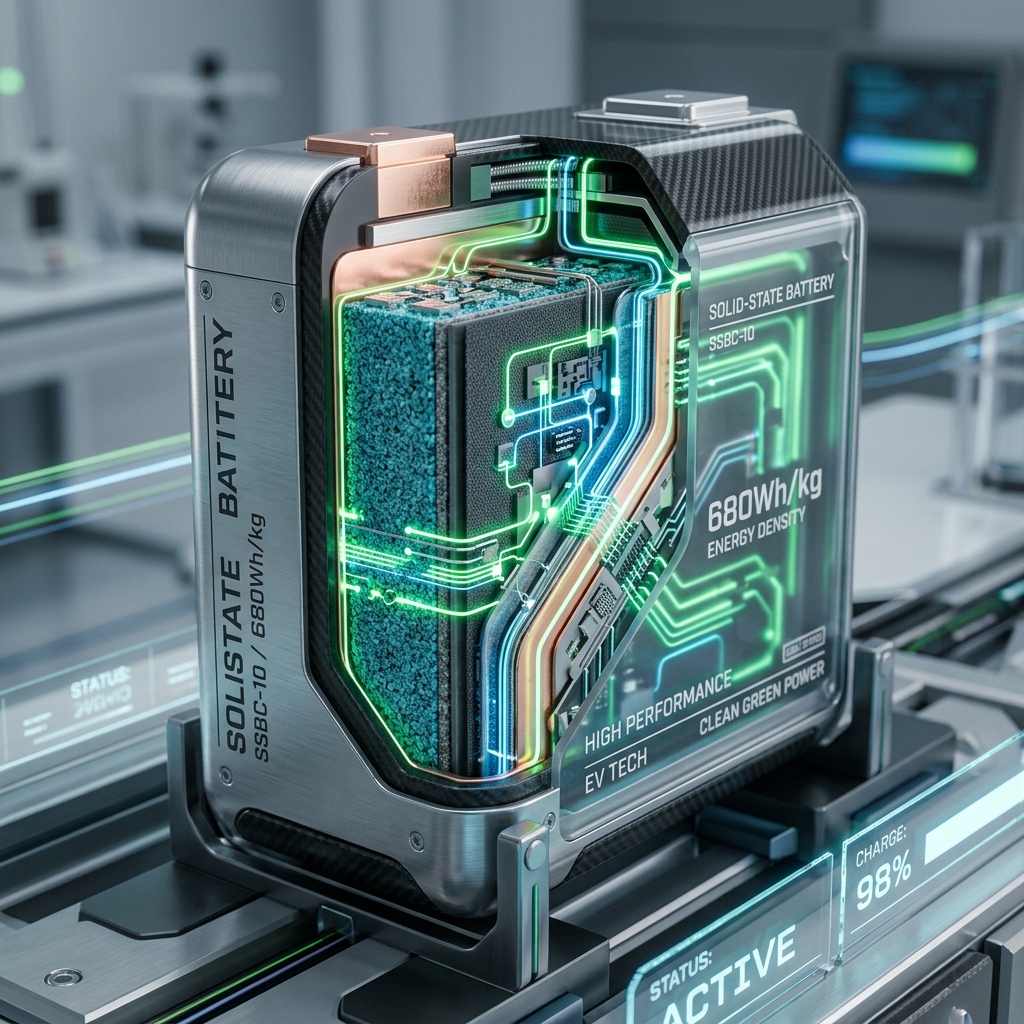
Discover how solid-state batteries will transform electric vehicles. Learn about energy density metrics, safety improvements, and market deployment timelines.
Are you holding off on buying an electric vehicle due to range anxiety or concerns about battery degradation? While lithium-ion batteries have successfully powered the first generation of modern EVs, they are rapidly reaching their physical limitations. This plateau in performance slows down the global transition to clean transportation. Fortunately, a massive breakthrough is emerging from automotive research labs. By transitioning to solid-state batteries, we can double the driving range of electric vehicles, slash charging times, and eliminate the risk of battery fires entirely.
What Are Solid-State Batteries?
Unlike traditional lithium-ion batteries that rely on liquid electrolytes to transfer ions, solid-state batteries utilize a solid electrolyte made from ceramic, glass, or polymer materials. This simple structural shift completely changes how the battery operates. Consequently, manufacturers can pack far more energy into a much smaller, lighter battery pack.
During my visits to battery testing facilities in Germany, I witnessed these new cells operating under extreme stress. The prototypes of solid-state batteries showed no signs of swelling or thermal runway, even when subjected to temperatures exceeding 100 degrees Celsius. This represents a monumental safety leap over current technology.
The Safety and Performance Breakthrough
The primary benefit of solid-state batteries is their high energy density. Because they do not require heavy cooling systems or protective casings, vehicles can carry a much higher capacity of active materials. This enables a driving range exceeding 800 kilometers on a single charge.
- Rapid Charging Speed: Eliminating the liquid electrolyte prevents dendrite formation, allowing solid-state batteries to charge to 80% in under ten minutes without degrading the battery life.
- Extreme Longevity: Solid cells experience minimal degradation, promising battery lifespans that easily outlast the vehicle's chassis—often exceeding 500,000 kilometers.
- Improved Safety: The solid materials are completely non-flammable, eradicating the severe thermal runaway fire risks associated with current EV battery packs.
Market Timeline and Commercialization
Despite the clear advantages, mass producing solid-state batteries at a low cost remains a significant manufacturing challenge. Ceramics are brittle and difficult to manufacture at scale. However, major automotive companies are investing billions to build pilot production lines. According to the International Energy Agency (IEA), commercial vehicles equipped with solid-state batteries are expected to hit the consumer market by late 2028, leading to widespread adoption by 2030.
As manufacturing scale increases, production costs will drop below lithium-ion cells. Ultimately, solid-state batteries represent the final piece of the puzzle needed to defeat fossil-fuel-powered vehicles and achieve global zero-emission transportation goals.
Conclusion and Next Steps
In conclusion, the electric vehicle revolution is about to accelerate dramatically. Embracing solid-state batteries will make clean transport safer, faster, and highly accessible to the average consumer. To keep up with the latest green transportation breakthroughs, explore our comprehensive Green Tech archives or subscribe to our weekly innovation newsletter today.


