Water Conservation Technology: Engineering Solutions for Scarcity

Discover how advanced water conservation technology, from atmospheric generators to precision agriculture, is solving the global freshwater crisis.
Are we rapidly running out of usable freshwater? While the media focuses heavily on carbon emissions, global water scarcity is arguably the most immediate existential threat facing humanity today. Currently, billions of people live in highly stressed water basins, and prolonged climate-driven droughts are severely exacerbating the crisis. Our traditional, antiquated systems of pumping from depleting underground aquifers and wasting treated water are mathematically unsustainable. However, human ingenuity provides a path forward. By aggressively deploying next-generation water conservation technology, we can radically optimize our agricultural usage, reclaim wastewater safely, and ensure universal water security for future generations.
The Agricultural Impact of Water Conservation Technology
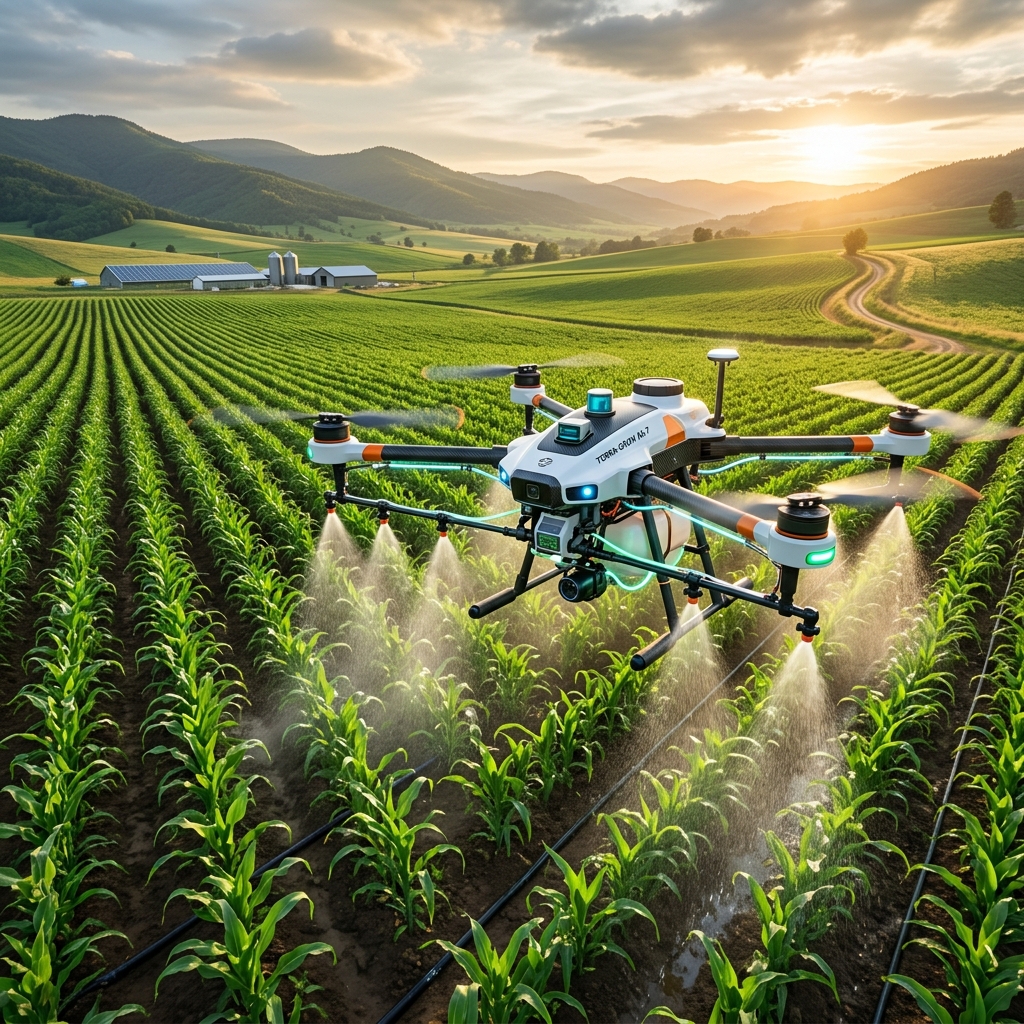
To solve the water crisis, we must address the primary consumer: agriculture. Farming currently accounts for roughly 70% of all global freshwater withdrawals. Historically, farmers have relied on devastatingly inefficient flood irrigation methods, where massive amounts of water simply evaporate before reaching the plant roots. Fortunately, water conservation technology is revolutionizing how we grow food.
During my field studies assessing drought resilience, I witnessed the profound impact of precision agriculture. Modern farms now deploy vast networks of IoT (Internet of Things) soil moisture sensors. These sensors feed real-time data to automated drip irrigation systems, delivering precise micro-doses of water directly to the root zone. Consequently, farmers utilizing this advanced water conservation technology routinely reduce their water consumption by over 50% while simultaneously increasing their total crop yield.
Innovations in Atmospheric Water Generation
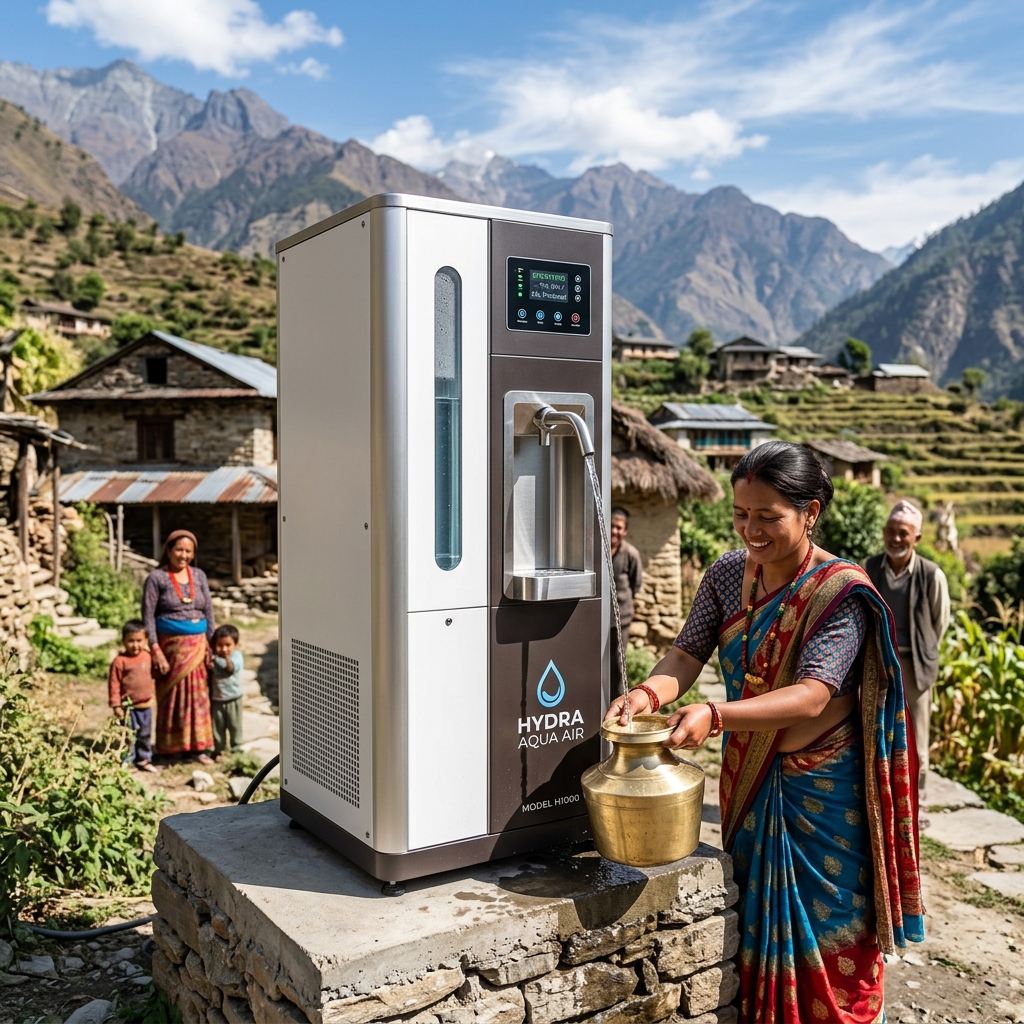
What if you could literally pull clean drinking water out of thin air? This is no longer science fiction. Atmospheric Water Generation (AWG) represents a massive leap forward in decentralized water conservation technology. The Earth's atmosphere continuously holds a massive reservoir of water vapor.
- How AWG Works: These devices operate similarly to heavy-duty dehumidifiers. They draw in ambient air, rapidly cool it below its dew point, and collect the resulting condensation.
- Energy Efficiency: Early AWG models were heavily criticized for their massive energy consumption. However, modern units utilize highly efficient heat exchangers and are frequently powered directly by off-grid solar panels.
- Crisis Deployment: Because they require zero plumbing or access to groundwater, AWG units are currently being deployed in disaster zones and remote, drought-stricken communities globally to provide instant, ultra-pure drinking water.
Ecological Sanitation and Nutrient Reclamation
Perhaps the most illogical flaw in modern infrastructure is using billions of gallons of highly purified drinking water simply to flush human waste away. This linear "flush-and-forget" model is an ecological disaster. True water conservation technology demands that we adopt circular ecological sanitation (EcoSan) methods.
EcoSan treats wastewater not as a toxic pollutant, but as a highly valuable resource. For instance, innovative organizations are pioneering "peecycling"—using specialized diverting toilets to capture urine before it enters the municipal water supply. Because urine contains the vast majority of agricultural nutrients (nitrogen and phosphorus), it can be processed into safe, sterile fertilizer. This prevents massive algal blooms in our rivers and drastically reduces the massive water volumes required by traditional sewage treatment plants.
Advanced Biomimetic Desalination
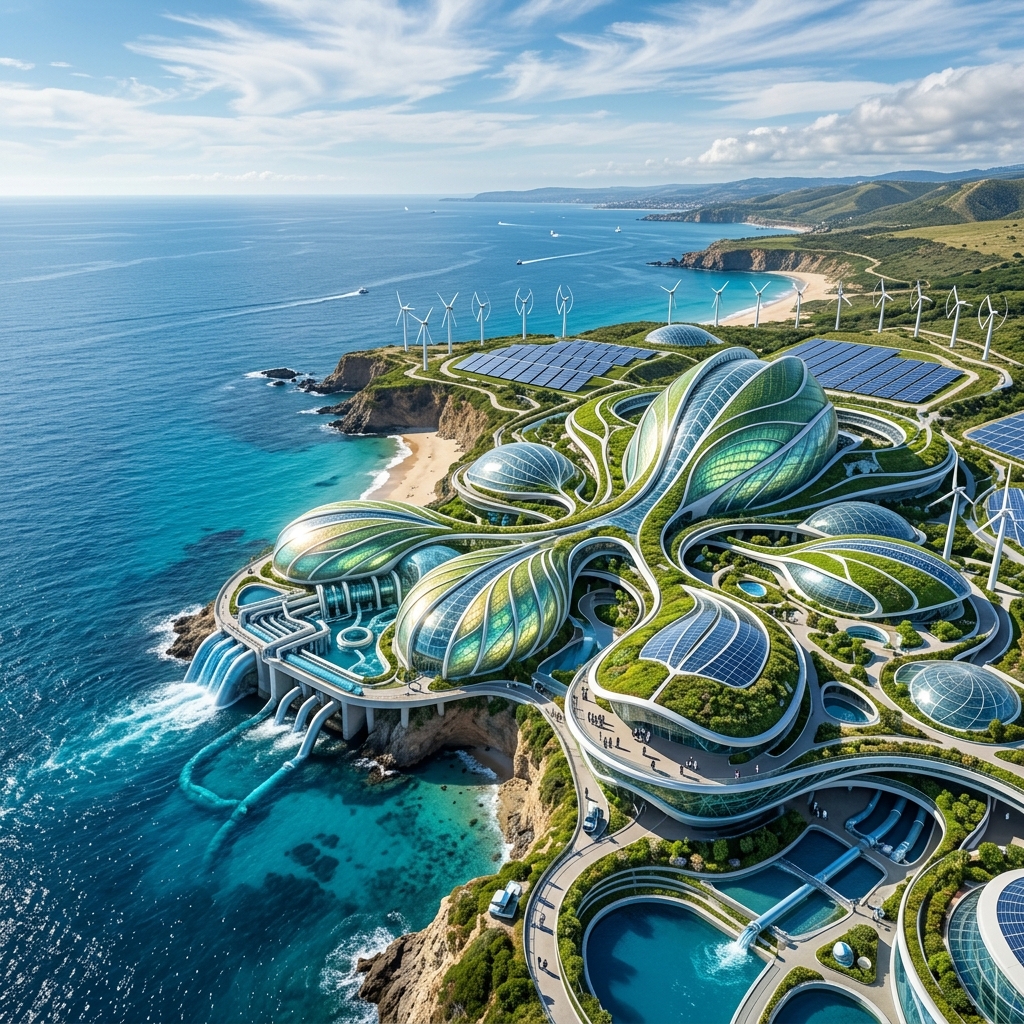
Since oceans cover 97% of the planet, desalination seems like the obvious solution. However, traditional thermal desalination is notoriously expensive, energy-intensive, and highly destructive to marine life. Thankfully, the latest water conservation technology is overcoming these severe limitations through biomimicry.
According to the United Nations Environment Programme (UNEP), the key to sustainable desalination lies in advanced membrane technology. Researchers have successfully engineered synthetic membranes that mimic aquaporins—the hyper-efficient water-channeling proteins found in plant roots. These biomimetic membranes require drastically less pressure to push seawater through. As a result, the energy required for reverse osmosis drops significantly, making clean ocean water economically viable for coastal cities.
Conclusion and Next Steps
In summary, the narrative that we are entirely helpless against impending water wars is false. The water conservation technology required to secure our future already exists; it merely requires political will and widespread adoption. By embracing precision agriculture, atmospheric generation, and circular sanitation, we can absolutely conquer the global scarcity crisis.
Are you interested in implementing smart water systems in your own home or business? Browse our Green Tech archives for comprehensive reviews of residential greywater recycling systems. Furthermore, contact your local municipal representatives today to demand the integration of modern water conservation technology into your city's infrastructure planning.